
Love is in the Air (but not my flowers)
Hello!
Last week, all eyes were on a plush, plump rodent in Pennsylvania. This week, our attention shifts to cupids and cherubs. Yes, it’s Valentine’s Day soon.
The holiday carries a long history: Christian martyrs resisting war-driven authority, Roman fertility festivals, a Swedish king’s souvenir from Persia, and even Victorian courtship rules (no PDAs!).
It’s also one of the biggest days in the flower industry. Red roses are the Valentine’s Day staple. But roses don’t grow in February in the U.S. It’s too cold. (Actually, with the exception of the invasive floribundas, roses don’t really grow in Canaan Valley at all!) Instead, like millions of flowers, they are are cultivated abroad and flown in for the big day. Most Valentine’s roses come from Ecuador, Kenya, and Colombia.
For me and my business, cellophane-wrapped, quick-to-wilt, mass-produced flowers miss the point — particularly on a day meant for expressing love, nurture, and appreciation. Sure, they’re conveniently stacked by the supermarket checkout at a low price. But what is the real cost — in labor conditions, carbon footprint, and depleted aquifers? Is that how we want to express our affections? For me, no.
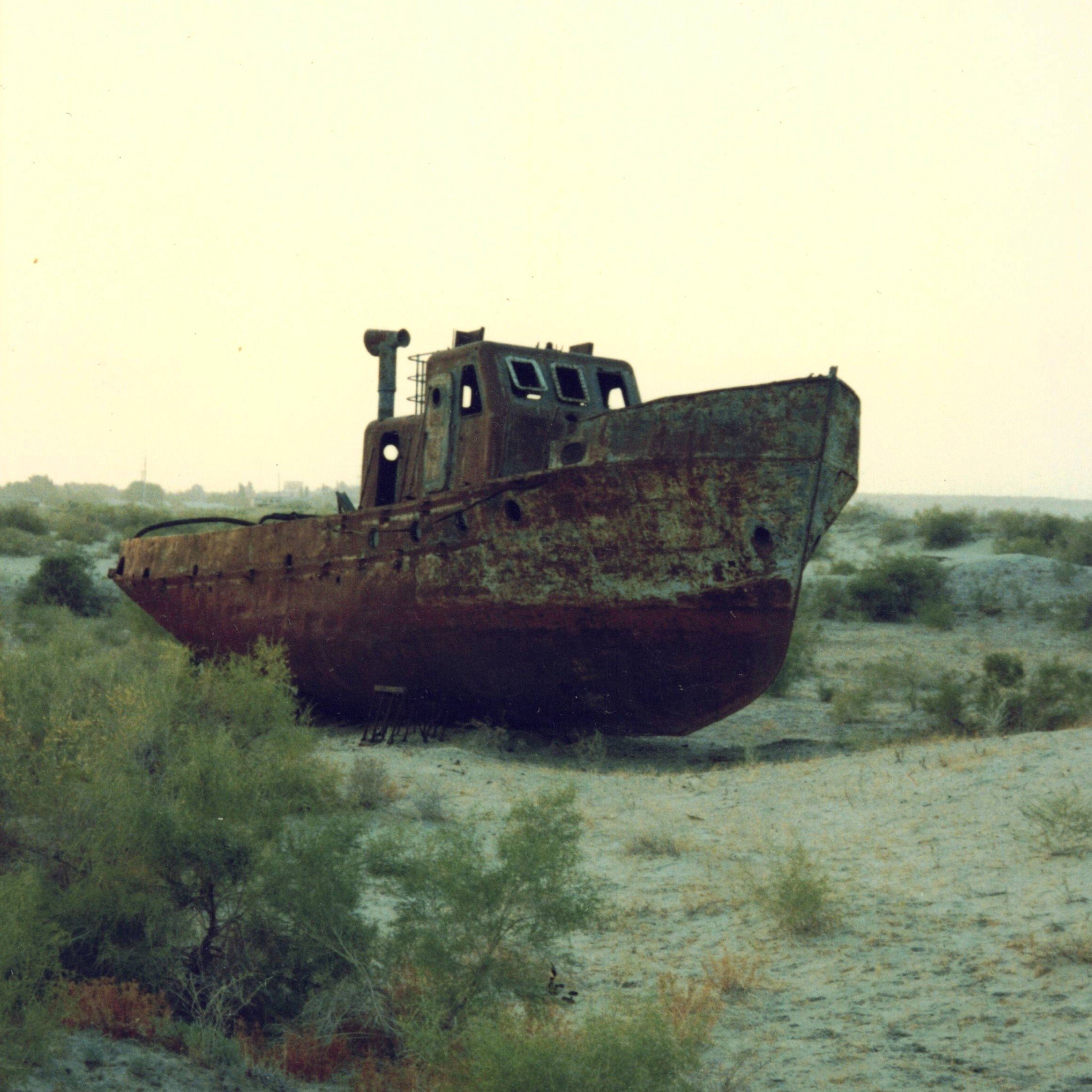
In my humanitarian career, I saw what happens when water runs out — to people, to plants, to land, to livelihoods, to social stability and even peace. It’s devastating. And closer to home, I need only see the summit of the county landfill to remember that “disposable” doesn’t disappear.
I aspire to offer you flowers year-round. Sustainably. Ecologically, this means growing what grows well our mountain climate, keeping the use of pesticides, fungicides and herbicides to a minimum, harnessing the warmth of the sun, and choosing compostable or reusable packaging as much as I can. Economically, that means pricing fairly to grow a local business. Humanly, it means being a safe, sane, respectful employer — starting with myself.
So, much as I want to be part of your blooming, affectionate Valentine’s celebrations this year, I won’t be chartering that plane.
Show your love. And when you give flowers, consider where and how they were grown, and chose local.
Let there be flowers!
Lizz
PS – I took this photo of the Aral Sea in Karakalpakia, Uzbekistan, in 1996 when I started the Medecins Sans Frontieres Aral Sea Area Program.